Most people assume that building a sustainable household costs more. And yes, some sustainable upgrades do have an upfront price. But the bigger story is what happens after. Many of the habits that shrink your carbon footprint also shrink your utility bills, grocery costs, and spending on disposables.
None of the 14 changes below require a lifestyle overhaul or strong feelings about the environment. Each one trims a recurring household cost. Most also reduce waste while they’re at it.
Energy

1. Switch to LED lighting. If you still have incandescent bulbs, swap them out. LEDs use about 75% less electricity and last many times longer, so you spend less running them and replace them less often. A basic LED bulb costs a few dollars and typically pays itself back inside a year. And lower household demand means less fuel burned at the power plant.
Effort: Small upfront buy, fast payback
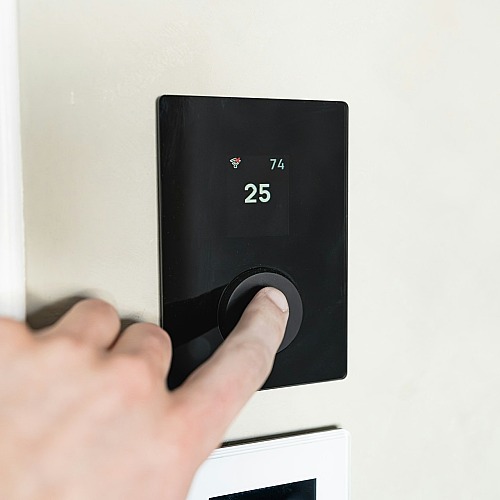
2. Dial back your thermostat. Heating and cooling run roughly half of a home’s energy bill. Setting it back 7–10°F for 8 hours a day, either overnight or while you’re out, can cut heating and cooling costs by up to 10% at no cost. A programmable or smart thermostat automates the habit if you’d rather not think about it, and less HVAC runtime means lower emissions and longer equipment life.
Effort: Zero cost as a habit, small upfront buy if you upgrade
3. Unplug energy vampires. Devices keep pulling power even when switched off, and this phantom load can run 5–10% of your electricity use. Chargers, gaming consoles, coffee makers, and TVs are the usual culprits. Unplugging costs nothing; a smart power strip handles it for under $20. Less standby draw also means less electricity generated upstream.
Effort: Zero cost as a habit, small upfront buy for a smart strip
4. Lean on fans before the AC. Central air is one of the heaviest electricity draws in most homes; ceiling and portable fans use a fraction of the power. Pairing a ceiling fan with AC lets you raise the thermostat about 4 degrees without losing comfort, which trims summer bills. On milder days, fans alone can carry the room. Less AC runtime also means lower emissions.
Effort: Zero cost if fans are already installed, small upfront buy otherwise
Water
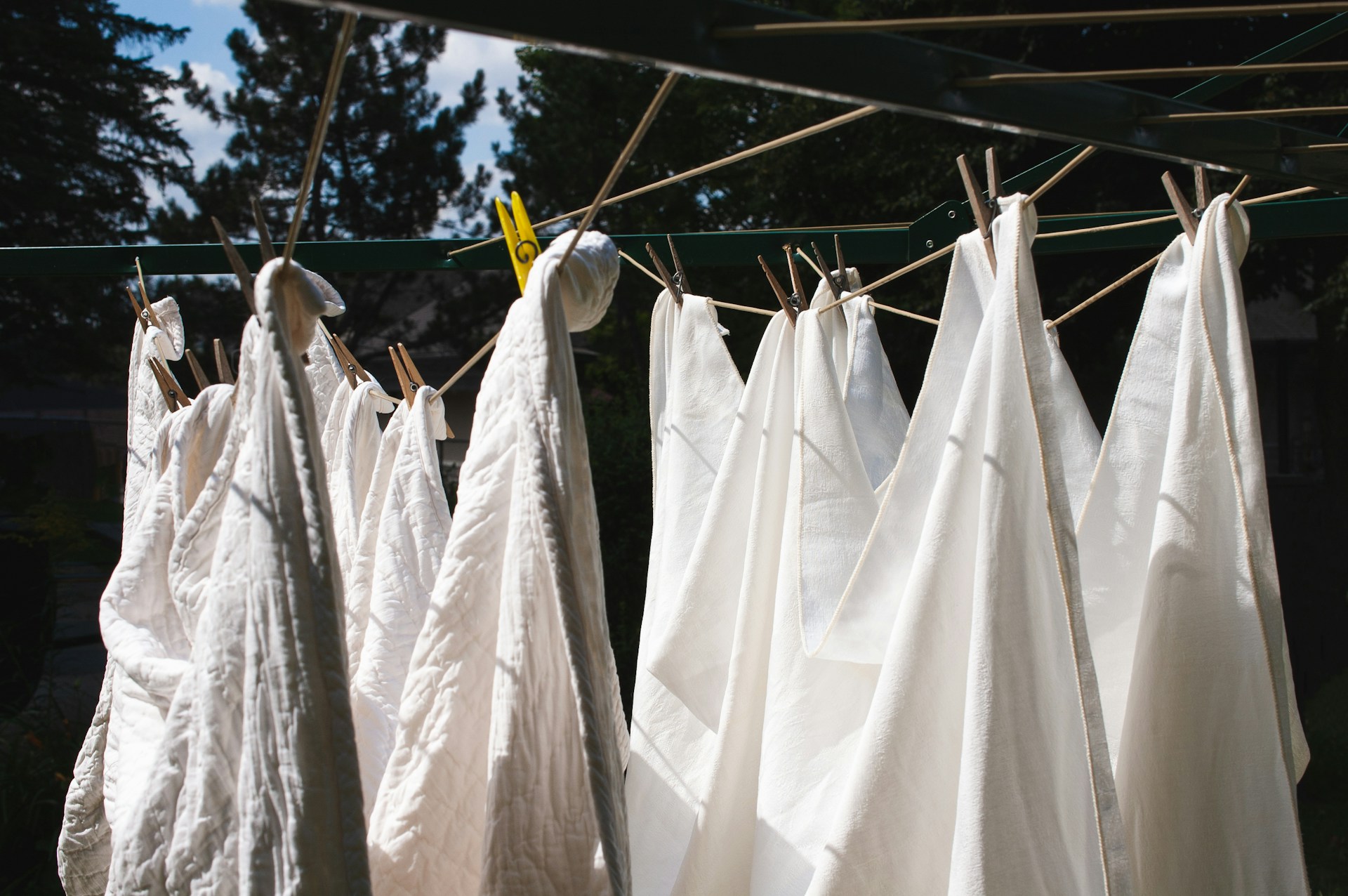
5. Wash laundry in cold water, and air-dry when you can. About 90% of a washing machine’s energy goes toward heating water, so switching to a cold wash cuts the bulk of that load at no cost. Air-drying (outside or on a rack) skips one of the more power-hungry appliances in most homes. Both habits also lower your home’s overall electricity footprint.
Effort: Zero cost, habit change only
6. Install low-flow water fixtures. A WaterSense-labeled showerhead can save the average family about 2,700 gallons and $70 a year on water and energy. Faucet aerators do the same on a smaller scale. Both cost under $20, install in minutes without a plumber, and come out just as easily when you move. Reduced demand also eases pressure on local water systems.
Effort: Small upfront buy, renter-friendly
Kitchen and Food
7. Plan meals, and reduce food waste. The average US family of four throws out about $1,500 worth of food a year. A rough weekly plan, even just a loose list before shopping, cuts impulse buys and keeps groceries out of the trash. That’s fewer grocery runs and lower bills. Less food in landfills also means less methane released.
Effort: Zero cost, habit change only
8. Make your own cleaning products. White vinegar, baking soda, and a few drops of dish soap cover most household cleaning at a fraction of the cost of branded sprays. You also stop buying three or four single-purpose bottles when one pantry mix works on the kitchen, bathroom, and floors. Less plastic packaging leaves your house every week, too.
Effort: Small upfront buy for pantry basics, zero cost if you already stock them
9. Grow herbs and vegetables at home. A windowsill pot of basil or mint costs a few dollars to start and replaces the repeat expense of fresh herbs that tend to spoil before you finish them. A small container garden of tomatoes, lettuce, or peppers can offset grocery spending all season. Home-grown produce also skips packaging and transport.
Effort: Small upfront buy for pots, soil, and seeds
10. Buy pantry staples in bulk. Bulk bins and warehouse-store sizes cut the per-unit cost of grains, legumes, nuts, and cleaning supplies. Bring your own containers when stores allow, and you skip the markup baked into smaller packaging. Less packaging also means less waste in your weekly trash.
Effort: Zero cost as a habit, small upfront buy for reusable containers
11. Swap some meat meals for plant proteins. Ground beef often runs three or four times the per-pound cost of dried beans or lentils. You don’t have to go fully vegetarian. Replacing meat with legumes, eggs, or tofu two or three nights a week can trim the grocery bill fast. Beef also carries one of the heaviest environmental footprints in the grocery aisle.
Effort: Zero cost, habit change only
Shopping and Consumption
12. Replace single-use products with reusables. Paper towels, plastic wrap, disposable razors, coffee pods, and bottled water are recurring costs that add up fast over a year. Reusable alternatives like cloth towels, beeswax wraps, a safety razor, a French press, and a water filter usually pay for themselves within weeks or months. Fewer disposables also mean less trash leaving the house.
Effort: Small upfront buy, fast payback
13. Source secondhand before buying new. Buy Nothing groups, organized by neighborhood on Facebook or dedicated apps, are free exchanges where people give away items they don’t need. Facebook Marketplace covers the rest at well below retail. Between the two, you can source furniture, kitchen gear, clothing, and more without paying full price. Keeping usable items in circulation also keeps them out of the landfill.
Effort: Zero cost or reduced cost (secondhand)
14. Compost food scraps. Composting keeps organic waste out of the trash, which means fewer trash bags to buy. If you garden, the finished compost replaces store-bought soil amendments. Countertop bins and community drop-off programs make this work for renters and apartment dwellers, too. Less food in the landfill also cuts methane emissions at the source.
Effort: Zero cost (drop-off) to small upfront buy (countertop bin)
Start Small, Stack Often
You don’t have to commit to all 14. The list is built to stack. Start with the zero-cost habits—cold water laundry, unplugging devices, meal planning—and build from there. Even three or four changes, applied consistently, can shift your household budget noticeably over a year. A sustainable household rarely comes from one big decision. It comes from enough small ones lining up.







Leave a Comment
Your email address will not be published. Required fields are marked *