
Saving money doesn’t have to be difficult or require drastic lifestyle changes. By making small adjustments and being mindful of your spending habits, you can significantly reduce your monthly expenses and boost your savings. Here are 50 simple ways to save money every month.
1. Create a Budget
Why: Helps you track your income and expenses, ensuring you live within your means.
How: Use budgeting apps or spreadsheets to categorize and monitor your spending.
2. Track Your Spending
Why: Identifies areas where you can cut back.
How: Keep a daily log of all your expenses.
3. Use Cash Instead of Credit
Why: Helps you avoid overspending and stay within your budget.
How: Withdraw a fixed amount of cash for weekly expenses.
4. Cancel Unused Subscriptions
Why: Eliminates unnecessary expenses.
How: Review your bank statements and cancel subscriptions you don’t use.
5. Negotiate Bills
Why: Lowers your monthly expenses.
How: Call service providers to negotiate better rates for internet, cable, and phone services.
6. Meal Plan
Why: Reduces food waste and saves on grocery bills.
How: Plan your meals for the week and create a shopping list based on your plan.
7. Cook at Home
Why: Saves money compared to dining out.
How: Prepare meals in bulk and use leftovers for lunches.
8. Use Coupons and Cashback Apps
Why: Lowers the cost of groceries and other purchases.
How: Use apps like Honey, Rakuten, or Ibotta for discounts and cashback.
9. Buy Generic Brands
Why: Offers similar quality at a lower price.
How: Compare store brands with name brands when shopping.
10. Shop with a List
Why: Prevents impulse buying.
How: Stick to your list when shopping.
11. Avoid Convenience Foods
Why: Reduces grocery bills.
How: Prepare snacks and meals from scratch instead of buying pre-packaged items.
12. Drink More Water
Why: Saves money on beverages.
How: Carry a reusable water bottle instead of buying sodas or coffees.
13. Cut Back on Alcohol
Why: Lowers your entertainment expenses.
How: Limit your alcohol consumption to special occasions.
14. Limit Dining Out
Why: Saves money and promotes healthier eating.
How: Set a monthly limit for dining out and stick to it.
15. Use Public Transportation
Why: Reduces fuel and parking costs.
How: Take the bus, subway, or carpool whenever possible.
16. Carpool
Why: Saves on fuel and reduces wear and tear on your car.
How: Share rides with coworkers or friends.
17. Maintain Your Vehicle
Why: Prevents costly repairs.
How: Follow your car’s maintenance schedule and address issues promptly.
18. Compare Insurance Rates
Why: Lowers your premiums.
How: Shop around for better rates on auto, home, and health insurance.
19. Bundle Services
Why: Reduces overall costs.
How: Bundle your internet, phone, and cable services with one provider.
20. Use Energy-Efficient Appliances
Why: Lowers utility bills.
How: Replace old appliances with energy-efficient models.
21. Unplug Electronics
Why: Reduces energy consumption.
How: Unplug devices when not in use or use a power strip to turn off multiple items at once.
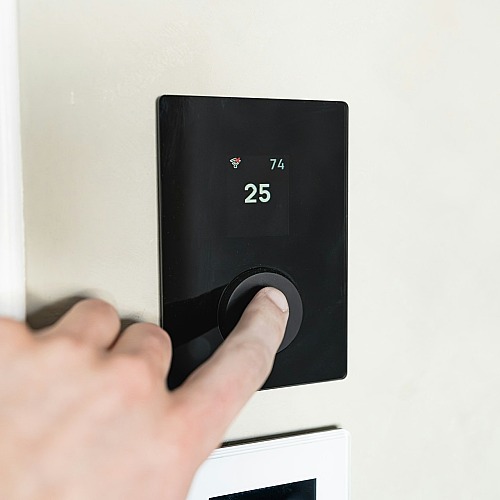
22. Install a Programmable Thermostat
Why: Saves on heating and cooling costs.
How: Set it to lower or raise the temperature when you’re not home.
23. Use LED Bulbs
Why: Lowers energy bills and lasts longer than traditional bulbs.
How: Replace incandescent bulbs with LED ones.
24. Lower Your Water Heater Temperature
Why: Reduces energy costs.
How: Set your water heater to 120°F (49°C).
25. Wash Clothes in Cold Water
Why: Saves on energy bills.
How: Use cold water settings for laundry.
26. Air Dry Clothes
Why: Reduces electricity use.
How: Use a clothesline or drying rack instead of a dryer.
27. Limit Streaming Services
Why: Reduces entertainment expenses.
How: Choose one or two streaming services and cancel the rest.
28. Borrow or Rent Instead of Buying
Why: Saves money on rarely used items.
How: Borrow tools, books, and other items from friends or rent them when needed.
29. DIY Home Repairs
Why: Saves on labor costs.
How: Learn basic home repair skills through online tutorials.
30. Refinance Loans
Why: Lowers interest rates and monthly payments.
How: Shop around for better rates and consider refinancing your mortgage, student loans, or auto loans.
31. Use a High-Yield Savings Account
Why: Earns more interest on your savings.
How: Move your savings to a high-yield account.
32. Set Up Automatic Savings
Why: Ensures consistent saving.
How: Set up automatic transfers to your savings account each payday.
33. Pay Off High-Interest Debt
Why: Reduces interest payments.
How: Focus on paying off credit card debt and other high-interest loans first.
34. Avoid ATM Fees
Why: Saves on unnecessary charges.
How: Use ATMs within your bank’s network or get cash back when making purchases.
35. Shop Secondhand
Why: Saves money on clothes, furniture, and other items.
How: Visit thrift stores, consignment shops, and online marketplaces like eBay or Facebook Marketplace.
36. Negotiate Medical Bills
Why: Lowers your healthcare costs.
How: Call your healthcare provider to negotiate payment plans or discounts.
37. Take Advantage of Employer Benefits
Why: Reduces out-of-pocket costs.
How: Utilize employer-sponsored health plans, retirement contributions, and other benefits.
38. Use a Flexible Spending Account (FSA)
Why: Saves on healthcare and dependent care expenses.
How: Contribute pre-tax dollars to an FSA and use the funds for eligible expenses.
39. Exercise at Home
Why: Saves on gym memberships.
How: Use online workout videos or invest in basic home gym equipment.
40. Cancel Unused Memberships
Why: Reduces monthly expenses.
How: Review your memberships and cancel those you don’t use regularly.
41. Plan Staycations
Why: Saves on travel expenses.
How: Explore local attractions and enjoy vacation time at home.
42. Use Coupons for Online Shopping
Why: Reduces costs on purchases.
How: Use browser extensions like Honey or search for coupon codes before buying.
43. Participate in Loyalty Programs
Why: Earns discounts and rewards.
How: Sign up for loyalty programs at stores you frequently shop at.
44. Shop During Sales
Why: Saves on purchases.
How: Plan your shopping around sales events and stock up on essentials.
45. Grow Your Own Vegetables
Why: Reduces grocery bills.
How: Start a garden and grow your own produce.
46. Make Gifts Instead of Buying
Why: Saves money on presents.
How: Create homemade gifts or offer your skills and services.
47. Carpool or Bike to Work
Why: Saves on transportation costs.
How: Share rides with coworkers or bike if you live close to work.
48. Avoid Impulse Purchases
Why: Reduces unnecessary spending.
How: Wait 24 hours before making non-essential purchases to see if you still want them.
49. Use Public Libraries
Why: Saves on books, movies, and other media.
How: Borrow from your local library instead of buying.
50. Review Your Insurance Policies
Why: Ensures you’re not overpaying.
How: Shop around for better rates on auto, home, and life insurance annually.
Conclusion
Saving money doesn’t have to be difficult or require drastic changes to your lifestyle. By implementing these 50 simple strategies, you can reduce your monthly expenses and increase your savings. Start with a few changes that fit your lifestyle and gradually incorporate more to maximize your savings. Remember, every little bit adds up, and the key to successful saving is consistency and mindfulness.






Leave a Comment
Your email address will not be published. Required fields are marked *