
You already know you need a 3-month emergency fund. That part isn’t the problem. The problem is the number itself. When your monthly expenses run $2,500 or $3,000 and your savings account is sitting near zero, a target of $7,500–$9,000 can feel more like a taunt than a goal.
That feeling is more common than most people admit. According to Bankrate’s 2026 report, nearly one in four Americans have no emergency savings at all, and more than half say inflation is the reason they’re saving less. The gap between knowing the advice and following it is real. And the longer it stays open, the more it costs. Without a cushion, even a $1,000 car repair goes on a credit card at 20%+ interest and can take years to pay off. That’s the math working against you every month you wait. But closing that gap doesn’t require a raise or a windfall. It requires a system.
Calculate Your Target by Expenses, Not Income
One of the most common misunderstandings about emergency funds is what the number is based on. Your target is three months of essential expenses, not three months of income. That distinction matters because expenses are almost always lower than gross pay.
Add up your non-negotiables: rent or mortgage, utilities, groceries, insurance, transportation, and minimum debt payments. Leave out dining out, subscriptions, and shopping. If that total comes to $2,500 a month, your 3-month emergency fund target is $7,500. If it’s $2,000, you’re looking at $6,000. This single reframe makes the number more approachable for a lot of people.
Aim for $1,000 First
Before chasing the full target, give yourself a smaller finish line. A $1,000 starter fund covers most of the common emergencies that blow up budgets: an urgent care copay, a car repair, a broken appliance. The Consumer Financial Protection Bureau recommends starting with a manageable goal and building from there, because the habit of saving matters more than the starting amount.
Hitting that first $1,000 also does something important for momentum. It proves the system works. Once you’ve reached one milestone, the next one ($2,500, then $5,000) feels less like a fantasy and more like a matter of time.
Separate Your Savings and Make Them Work
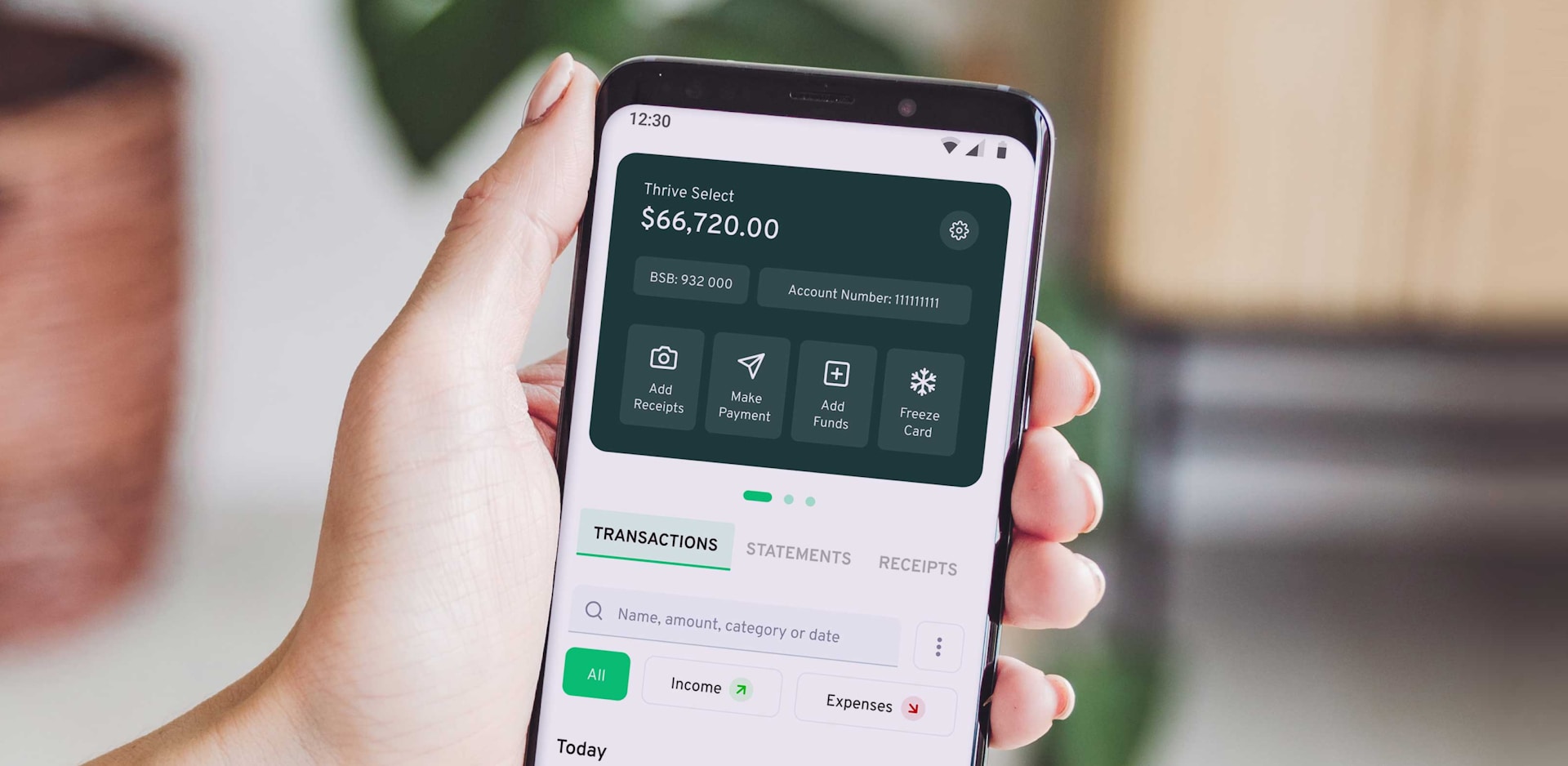
Keeping emergency money in the same checking account you use for daily spending is one of the fastest ways to accidentally spend it. Open a dedicated savings account for your emergency fund, and keep it separate from your everyday cash flow.
A high-yield savings account (HYSA) is worth considering here. Top HYSAs are currently offering around 4% APY or higher, compared to the national average of 0.39%. On a $5,000 balance, that difference earns you roughly $200 a year in interest instead of $19. Your emergency fund should be working while it waits. Worth noting: these rates have been gradually declining from their 2023–2024 highs as the Fed has cut rates. The sooner you open the account, the more of this rate environment you capture.
One more step that sounds small but helps: name the account. “3-Month Cushion,” “Emergency Only,” “Do Not Touch.” Labeling a savings goal makes it feel more specific and harder to redirect for non-emergencies.
Automate the Habit, Then Accelerate It
Automation is what turns good intentions into real progress. Set up a recurring transfer from your checking account to your emergency fund on payday. Even $25 per paycheck adds up to $650 over the course of a year. At $50, you’re at $1,300. At $100, you’re closing in on $2,600. The amount matters less than the consistency. Money that moves before you see it is money that gets saved.
Once the automatic transfers are running, windfalls become accelerators. Tax refunds, work bonuses, birthday cash, or side income deposited straight into the fund can collapse the timeline by months. Treat these as boosters, not as the plan. The system should work without them.
Protect What You’ve Built
An emergency fund only works if it’s there when something goes wrong. That means setting clear boundaries for what counts as an emergency. Job loss, a medical bill, an urgent vehicle repair: those qualify. A sale, a last-minute trip, a “treat yourself” moment: Those don’t.
If you do need to tap the fund, that’s not failure. That’s the fund doing its job. Restart your automatic transfers and rebuild. And if you’re carrying high-interest debt alongside your savings goal, you don’t need to pay it all off before starting. Building even a small cushion prevents the cycle of charging emergencies to a credit card and watching the balance climb.
Build Your 3-Month Emergency Fund One Paycheck at a Time
A 3-month emergency fund doesn’t get built in one dramatic move. It gets built in dozens of quiet ones. Calculate your target based on essential expenses, aim for $1,000 first, open a dedicated high-yield account, automate your contributions, and let windfalls pick up the pace when they show up.
The next unexpected expense isn’t waiting for you to feel ready. But you don’t need to be finished saving to be better off than you were yesterday. The goal isn’t to build it all at once. It’s to start now and build it consistently until it’s done.
This article is for informational purposes only. The information provided was verified at the time of publication and may change without notice.






Leave a Comment
Your email address will not be published. Required fields are marked *