
Most budgets fail in the same way, and it has nothing to do with discipline. The budget categories that wreck a monthly plan are not random impulse buys. They’re predictable expenses that simply don’t arrive on a monthly cadence. A subscription renews in October. A water heater dies in February. A dental crown lands in May. Each one feels like a freak event when it shows up, but added up across a year, they’re as regular as rent.
That pattern is the entire problem, and it’s also the fix. Irregular timing doesn’t mean irregular cost. Once a category has a defined monthly amount and a place to live, it stops detonating the budget when it shows up. Below are the five budget categories most likely to be missing, why each one slips through, and what to do.
1. Annual and Semi-Annual Expenses
These costs bill once or twice a year. Car registration, insurance premiums, holiday gifts, annual subscriptions, professional dues, and property taxes, if not escrowed, are the usual suspects. Most people remember two or three of them and forget the rest until the email arrives.
The audit is simple. Look back at the last 12 months of bank and credit card statements, and flag every charge that didn’t occur monthly. Add the totals. Divide by 12. That’s the real monthly cost of the irregular bills already in your life.
Set Up a Sinking Fund
The execution piece matters as much as the math. A separate savings account, sometimes called a sinking fund, pulls that monthly amount on payday before it can be spent on anything else. By the time the bill lands, the money is sitting there, waiting. Jesse Mecham’s You Need a Budget builds an entire system around this principle, treating every irregular expense as a monthly line item from the start.
2. Home and Car Maintenance
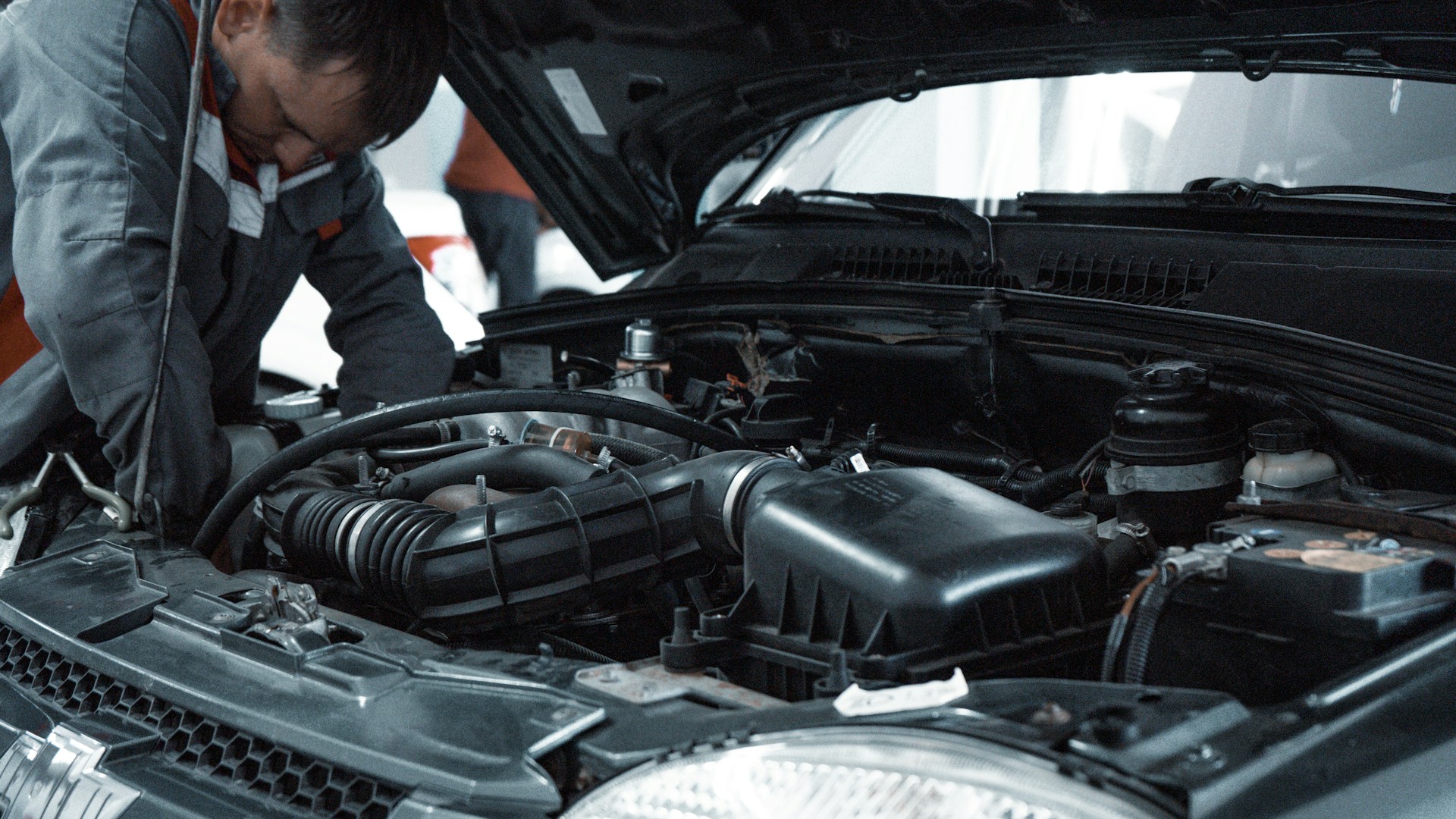
Maintenance is not an emergency, even though most people treat it that way in the budget. A car needs tires, brakes, and routine service on a schedule a mechanic can predict to within a few thousand miles. A home needs filter changes, gutter cleaning, HVAC servicing, and the occasional appliance repair. None of this is unforeseen.
A common rule of thumb is 1–4% of a home’s value per year for upkeep, with the lower end for newer homes in good condition and the higher end for older homes with aging systems. For vehicles, $100 a month covers routine maintenance and minor repairs for most cars, with more set aside for older vehicles or longer commutes.
Maintenance vs. Repair
The distinction worth drawing is between maintenance (recurring, planned) and repair (occasional, larger). Both belong in this category, but maintenance funds them month to month, while repairs draw down whatever has accumulated.
3. Medical and Dental Out-of-Pocket Costs
Insurance is not a substitute for a health budget. Copays, prescriptions, deductibles, dental cleanings, vision exams, and the unplanned visit add up across a year even for healthy households. For anyone managing a chronic condition or a family with kids, the annual total can easily reach four figures.
The fastest way to size this category is to pull last year’s explanation-of-benefits statements alongside the credit card charges. Whatever the household actually paid out of pocket, divide by 12. That’s the real monthly health cost.
A health savings account or flexible spending account makes this category more tax-efficient, since contributions come out pre-tax. Neither structure is required to budget for the category. Both are useful if available.
4. Personal Care
Haircuts, grooming products, skincare basics, deodorant, contact lenses, replacement glasses. None of these are luxuries. None of them are optional. And almost none of them appear as their own line item, which is why they end up dumped into the miscellaneous category and distort everything else.
The fix is small. Track personal care spending for a single month, round up generously, and assign it a permanent line. The category doesn’t need to be precise. It needs to exist. Once it does, the miscellaneous column stops absorbing costs that weren’t miscellaneous in the first place.
5. Fun Money
The most common reason a budget gets abandoned is that it forgot to fund enjoyment. Cutting discretionary spending feels like discipline in the moment, but it sets up an all-or-nothing cycle of rigid restraint, then a blowout weekend, then guilt, then a reset that lasts about three weeks before the same thing happens again.
A modest, named amount for non-essential spending breaks the cycle. The number is less important than the rule. Whatever it is, it gets spent without guilt and without explanation, and when it runs out, it runs out until next month. Ramit Sethi calls this principle “conscious spending” in I Will Teach You to Be Rich, and funding what genuinely matters to you, without apology, is what makes a budget sustainable.
How to Start
Pick one budget category from this list, and audit the last 12 months. Whatever the total is, divide by 12, and add it as a line item this month. Then do the next one and the next. The work is small per category. The result is a budget that holds up across a full year, not just the easy months.







Leave a Comment
Your email address will not be published. Required fields are marked *